
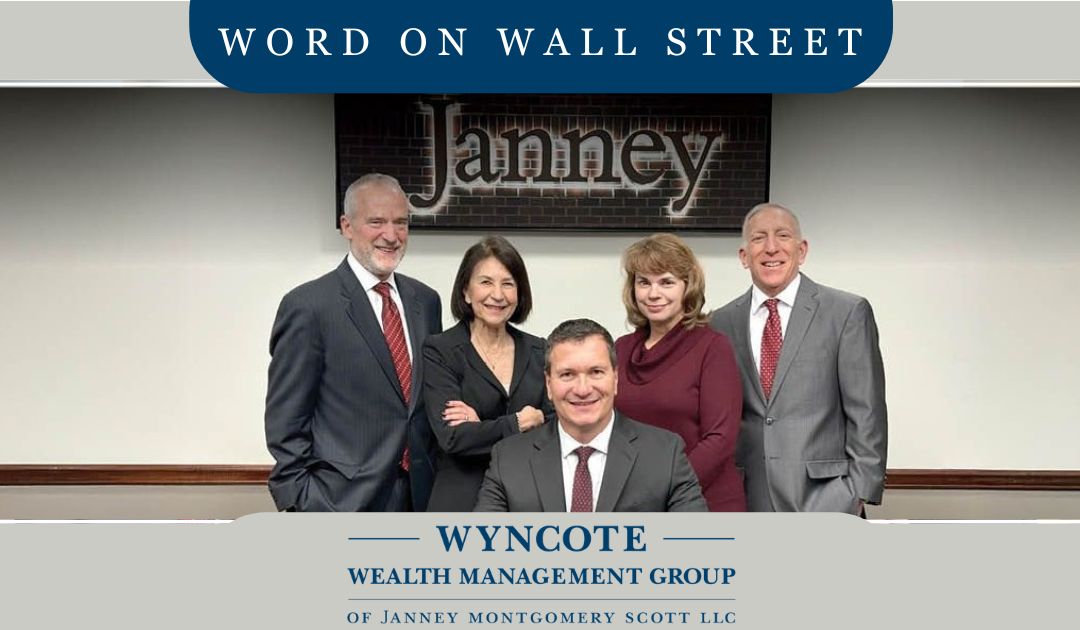
MICHAEL J. HALLORAN, CFA | Equity Strategist at Wyncote Wealth Management Group
Stocks remain under pressure as the nearly three-week-old Iranian conflict escalated on Wednesday with attacks on energy infrastructure. The Israeli strike on the South Pars gas field that Iran shares with Qatar and is the largest in the world, followed by Iran retaliating with attacks on a major gas hub in Qatar and missiles fired at the Saudi capital, Riyadh show an escalation of the conflict that threatens to worsen the crisis over global energy supplies. We have the following thoughts as this conflict continues to unfold.
1) The effective closure of the Strait of Hormuz (SoH), where approximately a quarter of global seaborne oil and a fifth of liquified natural gas travel remains the major concern for the global economy and markets. This concern is now being compounded by the recent energy infrastructure attacks with oil prices moving higher and stock prices lower.
2) Uncertainty remains high around how events will unfold and the impact on the economy will depend on the length of the disruption to energy flow through the Strait of Hormuz and the extent of damage to energy infrastructure. The longer traffic is halted and the more damage done to infrastructure, the higher energy prices will climb, and the more harm that will occur to the economy and stocks.
3) The direct impact of modestly higher oil prices on economic growth and inflation should be limited. U.S. benchmark crude oil prices have jumped from $65 per barrel before the conflict to over $98 per barrel as of this writing. A rough rule of thumb is that a sustained $10 per barrel increase in oil would reduce 2026 economic growth by about 0.10%. The consensus is currently calling for 2.5% economic growth in 2026 which suggests the economy can absorb the current spike in oil prices.
4) The major risk to stock prices is a sustained period of severe oil disruption and price spikes that
weigh on economic growth. A sustained increase in oil prices and uncertainty would also threaten
equity valuations, corporate confidence, and the current rebound in industrial activity that has stocks.
5) The U.S. economy was healthy entering this conflict and the current economic readings suggest it
remains so. Regional Federal Reserve (Fed) manufacturing surveys collected after the war started
point to resilient manufacturing activity. The March Philadelphia Fed Manufacturing Business Outlook
Survey surprisingly improved while the Empire State Manufacturing Survey showed firms remaining
optimistic about the outlook. And historically low initial unemployment claims, a timely and accurate
indicator, show no war-related impact on the labor market, so far.
6) Importantly, the U.S. was a major oil importer during previous oil price spikes that pushed the
economy into recession. Today, the U.S. is energy independent and a net exporter of energy and is a
much more balanced economy as a result of the shale oil and gas revolution. While high oil prices
are still a tax on the consumer, many industries benefit from U.S. oil and gas production, while
significant wealth that was transferred to other oil-producing nations now stays in the U.S.
7) In addition, energy intensity of the U.S. economy is much lower today. The amount of oil necessary to
produce one unit of U.S. economic output has fallen by about 70% since 1980. This is because the U.S. uses more natural gas and renewables in its energy mix than in the past, higher energy efficiency and less reliance on energy intensive industries.
8) Since 1980, the average year has had a 14% intra-year decline in the S&P 500 stock index while
of 19% while the full year return came in at 16%.
9) We further note that stocks remain a key element for portfolio growth and maintaining long-term
purchasing power with stocks outperforming other major asset classes and inflation during long
periods of time.
In summary, the U.S. economy is much better positioned to handle an oil shock today than in the past.
However, uncertainty remains high, and the ultimate impact on the economy and equities will be determined by the length of the disruption to energy flow through the Strait of Hormuz and the extent of energy infrastructure damage. Stay tuned.
For more on Wyncote Wealth Management Group, located at 8101 Washington Lane (Suite 100) in Wyncote (Cheltenham Township), you can visit their website.
Disclaimer
This report is provided for informational and educational purposes only and shall in no event be construed as an offer to sell or a solicitation of an offer to buy any securities or a recommendation for any strategy or to buy, sell, or hold any product. Opinions expressed are subject to change without notice and do not take into account the particular investment objectives, financial situation, or needs of individual investors. Employees of Janney Montgomery Scott LLC or its affiliates may, at times, release written or oral commentary, technical analysis, or trading strategies that differ from the opinions expressed here. The information described herein is taken from sources which we believe to be reliable, but the accuracy and completeness of such information is not guaranteed by us. The opinions expressed herein may be given only such weight as opinions warrant. This Firm, its officers, directors, employees, or members of their families may have positions in the securities mentioned and may make purchases or sales of such securities from time to time in the open market or otherwise and may sell to or buy from customers such securities on a principal basis. This report is the intellectual property of Janney Montgomery Scott LLC (Janney) and may not be reproduced, distributed, or published by any purpose without Janney’s prior written consent. This presentation has been prepared by Janney Investment Strategy Group (ISG) and is to be used for informational purposes only. In no event should it be construed as a solicitation or offer to purchase or sell a security. Past performance is no guarantee of future performance and future returns are not guaranteed. There are risks associated with investing in stocks such as a loss of original capital or a decrease in the value of your investment. For additional information or questions, please consult with your Financial Advisor.